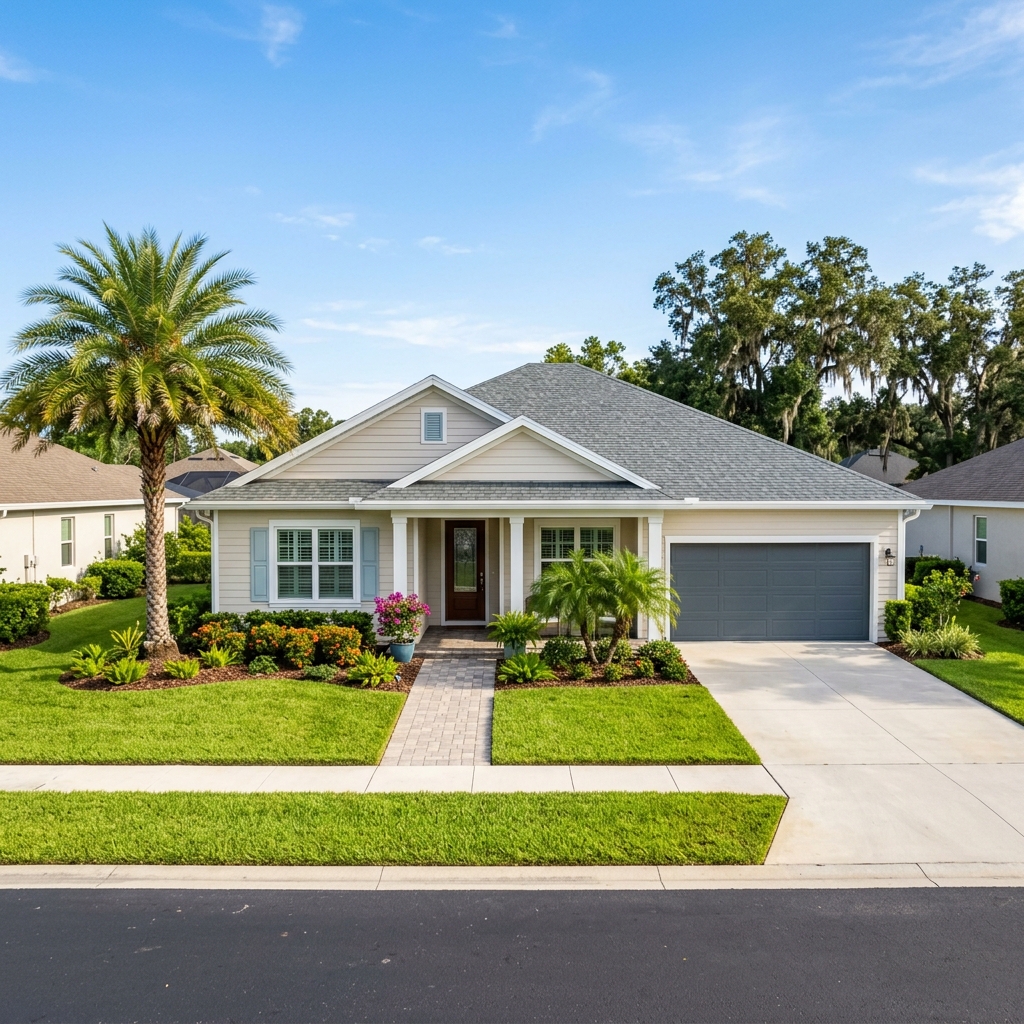
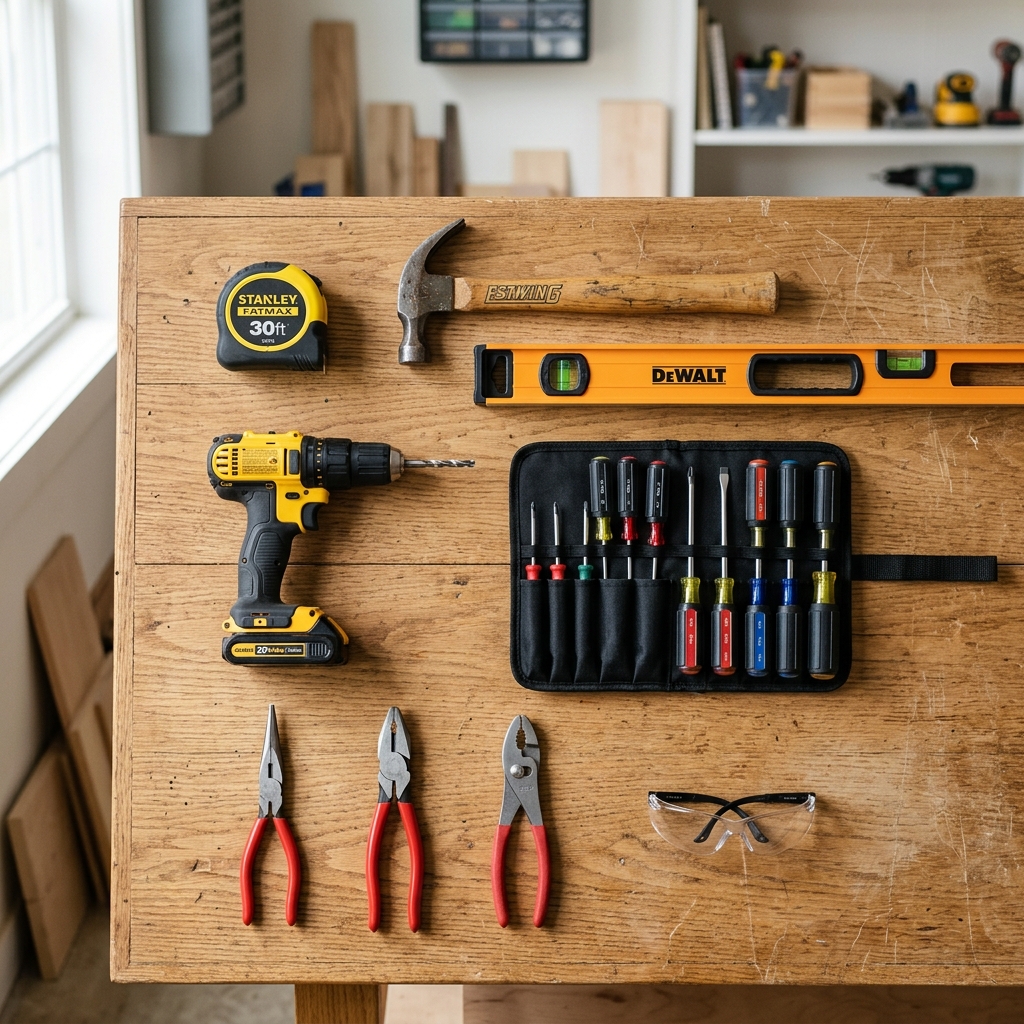
Living on the Gulf Coast means living with hurricane season. From June through November, homeowners in Pensacola, Milton, Gulf Breeze, Navarre, and Pace face the annual reality of potential storms. The good news? Most hurricane damage to homes is preventable with the right preparation.
As a veteran-owned handyman service, we've helped dozens of Gulf Coast families prepare their homes for storms — and repair them afterward. This checklist covers everything you need to do, room by room, to keep your family and property safe.
Start Your Prep Early — Don't Wait for the Warning
The biggest mistake homeowners make is waiting until a storm is named and heading their way. By then, hardware stores are stripped bare, contractors are booked solid, and you're left scrambling.
💡 Pro Tip
Start your hurricane prep at least 2–4 weeks before June 1st (the official start of hurricane season). This gives you time to find materials, schedule professional help, and handle repairs at a reasonable pace.
Windows & Doors: Your First Line of Defense
Here's something most homeowners don't realize: once wind enters your home through a broken window, the internal pressure can literally lift your roof off. Protecting openings is the single most impactful thing you can do.
- Install hurricane shutters or have plywood pre-cut and labeled for every window
- Inspect weatherstripping around all exterior doors — replace if cracked or missing
- Reinforce garage doors — these are the most vulnerable entry point in most homes
- Check sliding glass doors — add a security bar and consider impact film
- Replace any cracked window glass before storm season
- Caulk around all window and door frames to prevent water intrusion
Roof & Gutters
Your roof takes the worst beating during a hurricane. Even minor pre-existing damage can turn into a catastrophic failure under 100+ mph winds.
- Inspect your roof for loose, missing, or damaged shingles
- Clean all gutters and downspouts — clogged gutters cause water to back up under your roof edge
- Secure loose flashing around vents, chimneys, and skylights
- Trim tree branches that overhang your roof (at least 6 feet of clearance)
- Check soffit and fascia for rot or damage — these are wind entry points
Need Help with Storm Prep?
We handle window reinforcement, gutter cleaning, caulking, and all the prep work so you can focus on your family.
Get a Free Estimate →Exterior & Yard
Anything that isn't secured outside becomes a projectile during a hurricane. A patio chair at 90 mph is essentially a battering ram.
- Secure or store all outdoor furniture, grills, planters, and decorations
- Anchor any outbuildings or sheds with ground anchors or hurricane straps
- Inspect fencing — tighten loose posts and replace damaged sections
- Clear yard debris — remove dead branches, loose paving, and anything that could become airborne
- Check your mailbox — secure or remove if it's on a weak post
- Protect your HVAC unit — tie down the condenser or cover with a rated hurricane cover
Interior Prep
- Know your water shut-off and practice turning it off quickly
- Test smoke detectors and CO detectors — replace batteries
- Photograph valuables and important documents for insurance purposes
- Move important items away from windows and to the highest floor
- Fill bathtubs with water (for flushing toilets if water service is lost)
- Set your refrigerator and freezer to the coldest settings 24 hours before
Generator & Power Backup
Gulf Coast storms regularly knock out power for days — sometimes weeks. A generator isn't a luxury here; it's a necessity.
- Test your generator now — don't wait until you need it
- Stock at least 3 days of fuel in approved containers
- NEVER run a generator indoors or in a garage — carbon monoxide kills
- Have extension cords rated for outdoor use
- Consider a transfer switch installed by a licensed electrician for safer power distribution
After the Storm: What to Do First
Once the all-clear is given, resist the urge to start repairs immediately. Here's the safe order of operations:
- Check for gas leaks — if you smell gas, leave immediately and call your utility provider
- Document all damage with photos before touching anything (your insurance company needs this)
- Check your roof from the ground — don't climb onto a wet, potentially compromised roof
- Remove standing water as quickly as possible to prevent mold (mold starts growing in 24–48 hours in Florida humidity)
- Call your insurance company within 24 hours to start the claims process
- Tarp any roof damage to prevent further water intrusion — a handyman can help with this safely
Post-Storm Repairs? We're Here.
From emergency tarping to drywall repair and full restoration — we help Gulf Coast homeowners recover from storm damage.
Request Emergency Service →What Does Hurricane Prep Cost?
| Service | DIY Cost | With a Handyman |
|---|---|---|
| Gutter cleaning (whole house) | Free (your time) | $125–$200 |
| Caulking windows & doors | $20–$40 | $125–$250 |
| Plywood for windows (materials + cutting) | $150–$400 | $300–$600 |
| Tree branch trimming | $0–$50 | $150–$400 |
| Weatherstripping replacement | $30–$80 | $125–$200 |
| Full storm prep package | — | $400–$900 |
Most of our clients spend $300–$800 on annual hurricane prep. Compare that to the average uninsured hurricane damage claim of $15,000–$50,000+ — the math speaks for itself.
Frequently Asked Questions
Start preparing at least 2–4 weeks before hurricane season begins on June 1st. This gives you time to address repairs, stock supplies, and arrange professional help for larger projects like window reinforcement or roof inspections.
Protecting your windows and doors is the single most important step. Once wind enters your home through a broken window, internal pressure can lift the roof off. Install hurricane shutters, impact-resistant glass, or have plywood pre-cut for every window.
Basic hurricane prep (caulking, weatherstripping, gutter cleaning, and securing loose items) typically costs $200–$600 with a handyman. Adding hurricane shutters can cost $1,500–$5,000 depending on the number of windows. Most homeowners spend $300–$800 total for annual storm prep.
Yes. Even Category 1 hurricanes produce wind speeds of 74–95 mph, which can turn debris into dangerous projectiles. If you don't have hurricane shutters or impact glass, boarding up with 5/8-inch plywood is essential for any hurricane category.